9+ curated guides • Updated October 2025
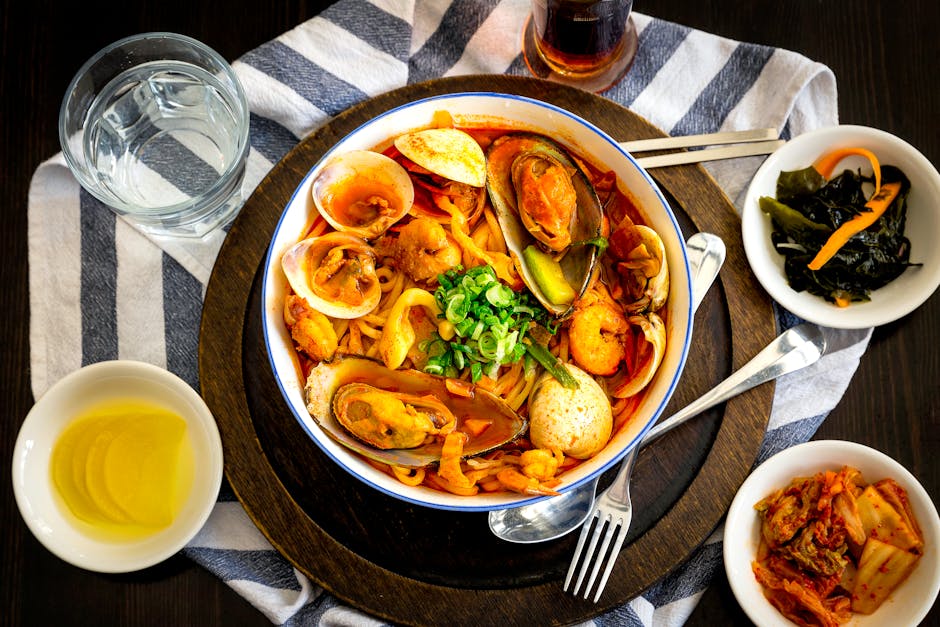
Forget the Dow Jones or the NASDAQ. To truly understand the pressures on the South Korean economy and the real-world impact of climate change, you need to look at the price of Napa cabbage. This is the story of the 'kimchi index,' the humble economic indicator that holds a nation's anxieties in a single, fermented jar. In Seoul, the cost of making kimchi isn't just a dinner table calculation; it's a street-level reading of the nation's economic pulse, a more tangible measure of inflation than any government report. This index doesn't track stocks or bonds; it tracks the volatile price of cabbage, garlic, and chili—the essential components of a dish that sits on nearly every Korean table, every single day.
We tune into Celebrity Big Brother for the meltdowns and shocking nominations, writing it off as guilty-pleasure television. But what if the house is actually the world's most brutal public relations boot camp? This is where personal brands are forged in fire or publicly incinerated, and every move is a high-stakes lesson in what not to do. This isn't just entertainment; it's a live-fire exercise in crisis communications, played out for our amusement and education. As a crisis manager, I don't see contestants—I see assets, liabilities, and brands on the brink. The show is a masterclass in how quickly reputation equity, built over years, can be squandered in a matter of days under the relentless glare of 24/7 surveillance.
You followed the '20-Minute Skillet Chicken' recipe exactly, yet the result was bland and uninspired. The internet has sold us a lie: that speed is the ultimate kitchen virtue. We're here to reveal the secret that professional chefs know but 'quick meal' blogs ignore—the most profound flavor transformations happen when you invest just a few extra, strategic minutes. This isn't about adding an hour to your prep time; it's about reallocating your attention from the clock to the craft. We will dismantle the myth of the 'quick' recipe and demonstrate how 15 minutes of focused technique—a rapid brine, a perfect sear, and a foundational pan sauce—is the true path to creating chicken dishes that resonate with depth and character. Prepare to unlearn what you've been taught about efficiency and embrace the art of deliberate cooking.
Most shoppers will scour Black Friday ads for the steepest discounts on LEGO sets. But the savviest buyers are looking for a different kind of value—future value. We're ignoring the noise of common doorbusters to reveal which discounted sets are most likely to become valuable collector's items, turning your holiday shopping into a long-term investment. This isn't about saving 40% on a LEGO City police station that will be forgotten by New Year's. This is about acquiring assets—hard assets in brick form—at a reduced cost basis, maximizing your portfolio's Compound Annual Growth Rate (CAGR) upon their inevitable retirement. We will analyze the signals that matter: impending retirement schedules, minifigure exclusivity, and Adult Fan of LEGO (AFOL) appeal. Prepare to shift your entire Black Friday mindset from consumption to strategic acquisition.
You've scoured the web for the latest 'Young and the Restless' spoilers, hungry to know what's next for the Newmans and Abbotts. But what if the biggest story isn't the spoiler itself, but the reason you're hearing it in the first place? We're pulling back the curtain to reveal how showrunners might be playing chess with your expectations. For decades, we've treated spoilers as simple previews, clandestine glimpses into the future of Genoa City. It's time to reframe that thinking. These tidbits are not passive information; they are active weapons in a narrative arms race. The writers' room isn't just telling a story—it's managing a massive, passionate, and often fickle audience. This article dissects how the spoilers you consume are meticulously crafted tools of influence, designed to test, misdirect, and ultimately, keep you hooked on the drama both on and off the screen.
That delicate slice of grilled eel on your sushi plate began its life as a transparent, leaf-shaped larva thousands of kilometers away in the dark depths of the Pacific. Before it was unagi, it was a participant in one of biology's greatest unsolved mysteries: an epic, trans-oceanic pilgrimage that scientists are still struggling to fully comprehend. The story of your meal is far stranger than you can imagine. This isn't just a culinary delight; it's the final chapter of a biological odyssey that spans an entire ocean, driven by instincts and mechanisms that challenge the limits of our scientific understanding. To eat unagi is to consume the conclusion of a life spent in perpetual, enigmatic motion.
Remember the dopamine-fueled Y2K beads and chunky resin rings of 2022? While most trends are designed to fade, some accidentally stick around. We’re looking back not to reminisce, but to uncover the surprising style lessons from that year and identify the pieces that defied their own hype to become permanent fixtures in a classic collection. The year was a fascinating social experiment in adornment, a pendulum swing from minimalist lockdown restraint to maximalist re-entry exuberance. But once the dust settled, what remained wasn't the loudest piece in the room, but the most articulate. This is the autopsy of a trend cycle, and a guide to spotting the enduring DNA of style in the future.
Remember 2022? It was the year of 'revenge travel,' hybrid work, and a cautious return to reality. But look closer at what we carried, and you'll find the year's real story wasn't just in the headlines—it was hanging on our shoulders. The handbags that defined that year were not mere accessories; they were complex cultural artifacts, tangible expressions of our collective relief, anxiety, and profound awkwardness. From the cavernous tote bag that held our entire hybrid life to the sequined mini-bag that screamed 'I'm ready for a party,' our choices broadcasted our internal state to the world. In this analysis, we will deconstruct these trends not as fleeting whims of fashion, but as vital clues to understanding the post-pandemic psyche.
Forget the sprawling infinity pools and paparazzi-proof villas for a moment. The real story about celebrities in Costa Rica isn't where they stay, but what they're building. A new wave of A-list influence is quietly funding rainforest regeneration, protecting sea turtle habitats, and championing the 'Pura Vida' ethos in a way that goes far beyond a simple vacation. This isn't about passive land ownership; it's about active, strategic investment in one of the planet's most vital ecosystems. We're witnessing a paradigm shift where star power is being leveraged not for publicity, but for preservation, creating a new blueprint for how wealth and influence can serve the greater ecological good.